Roof Replacement Q&A: 20 Questions Homeowners Ask
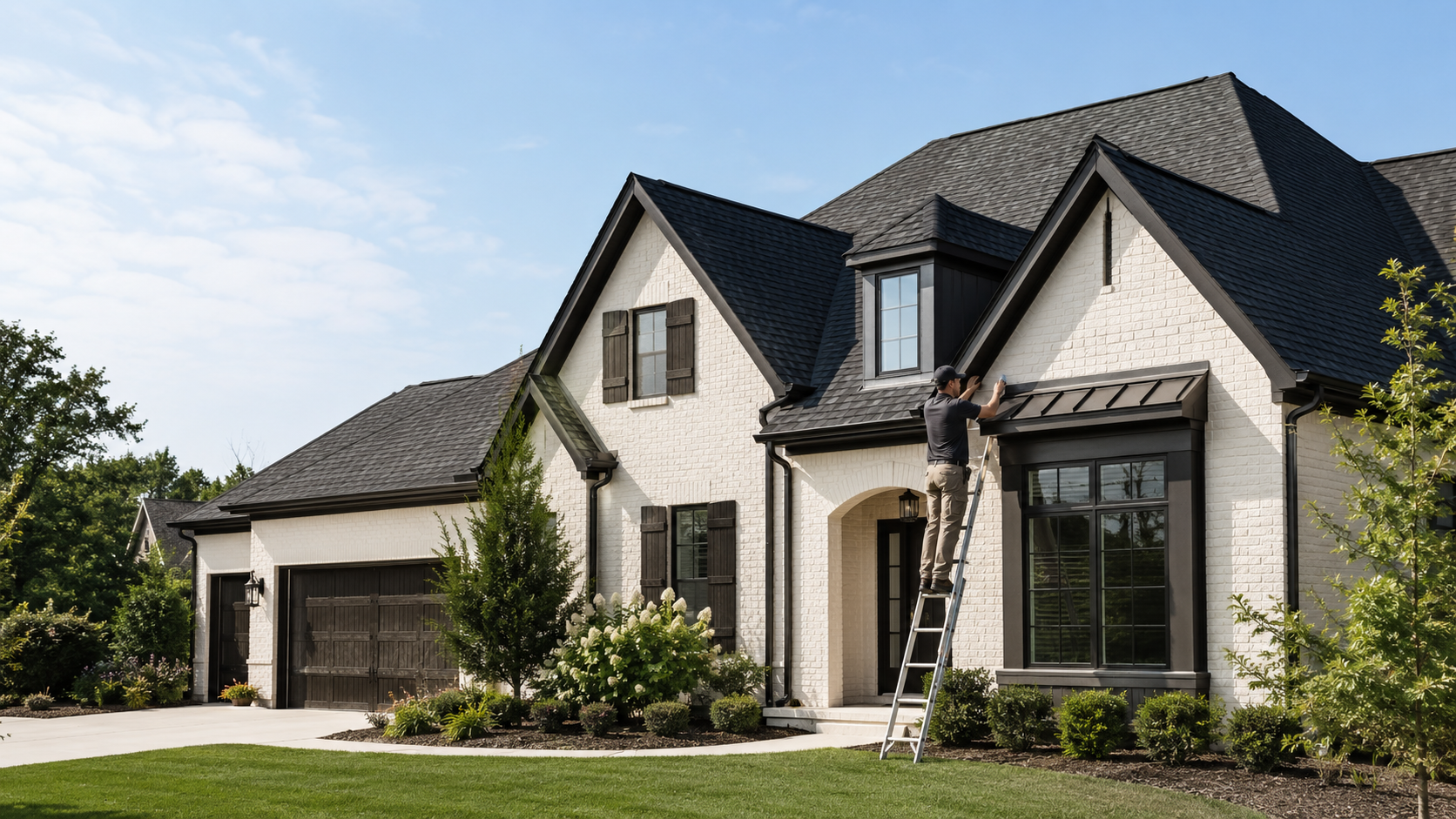
A roof replacement is a major home investment, and homeowners deserve clear answers without pressure. JF Roofing's goal is to educate you about the roof and process, facilitate the needs we discover together, and add lasting value to your home.
Quick Answer: What should I know first?
Start with a professional inspection, understand whether the issue is repairable, compare the full scope, not just the bottom-line price, and read your insurance policy before assuming a claim will pay for the work. Get materials, ventilation, flashing, decking allowances, cleanup, payment terms, and warranties in writing.
Before You Decide
1. How do I know whether I need a roof repair or a full replacement?
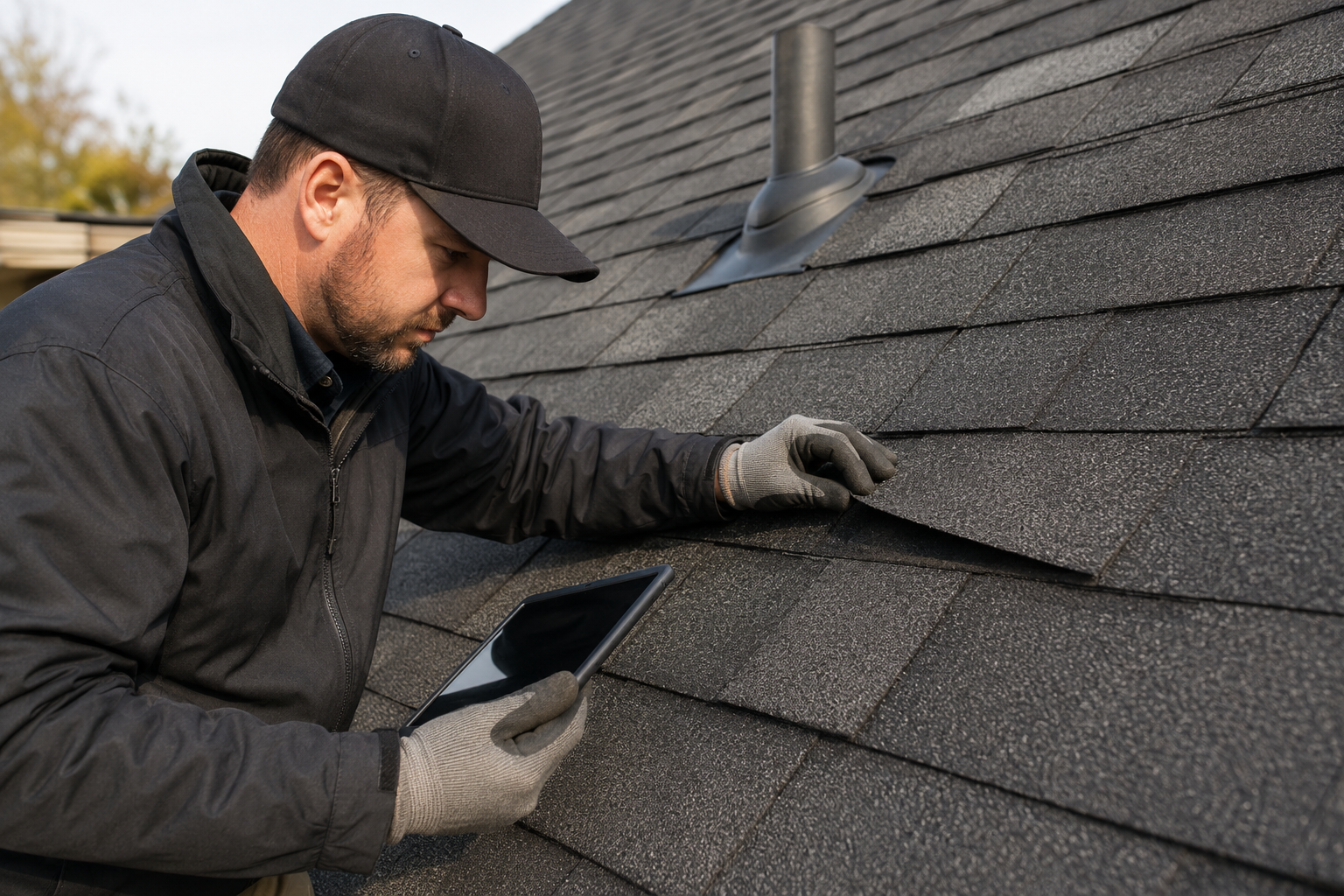
A repair may make sense when damage is isolated and the surrounding roof still has useful service life. Replacement becomes more likely when damage is widespread, leaks occur in several areas, shingles are extensively missing, cracked, curled, brittle, or losing granules, the roof system has repeated failures, or compatible repairs are no longer practical. Age is useful context, but condition, installation quality, ventilation, weather exposure, and maintenance matter too. A good inspection should explain the evidence and show you photos instead of simply giving you a sales conclusion.
2. How long does an asphalt-shingle roof last in North Texas?
There is no single guaranteed lifespan. Product type, workmanship, attic ventilation, roof slope, sun exposure, hail, wind, tree debris, and maintenance all affect service life. A manufacturer's warranty term is not the same thing as a promise that every roof will perform for that many years. Have an aging roof inspected periodically and after significant storms, especially if you notice leaks, lifted shingles, exposed fiberglass, or heavy granule loss.
3. Can I tell from the ground whether my roof has hail or wind damage?
Sometimes you can spot missing or creased shingles, displaced metal, debris impact, or damage to gutters and vents. Hail damage to shingles can be subtle, however, and ordinary wear can be mistaken for storm damage. Avoid climbing onto a steep, wet, hot, or damaged roof. A trained inspection with clear photographs is safer and more reliable.
4. Should I repair the roof or replace it before selling my home?
That depends on condition, buyer expectations, insurability, the sales timeline, and the economics of your transaction. A documented inspection can help you decide whether a repair, replacement, price adjustment, or disclosure is most appropriate. Coordinate with your real-estate professional and insurance agent; do not assume a new roof automatically returns every dollar spent.
Cost, Estimates, and Choosing a Contractor
5. How much does a roof replacement cost?
The price depends on roof size and pitch, number of stories, access, tear-off layers, decking condition, shingle or metal selection, underlayment, flashing, ventilation, code requirements, warranties, and labor and disposal costs. The most reliable price comes from an inspection and a written scope. A price-per-square figure alone can hide important exclusions.
6. Why are roofing estimates so different?
Two estimates may not include the same system. Compare quantities and materials, tear-off and disposal, underlayment, ice-and-water protection where specified, starter and ridge products, pipe boots, wall and chimney flashing, ventilation, decking price allowances, permits when required, cleanup, payment schedule, and both workmanship and manufacturer warranties. Ask each contractor to explain every exclusion and change-order condition.
7. What questions should I ask a roofing contractor?
Ask for proof of current general liability and workers' compensation coverage as applicable; a written scope; who supervises the crew; how your property will be protected; how decking, ventilation, and flashing will be handled; how changes are approved; what cleanup includes; and who stands behind the workmanship warranty. Also check recent local reviews and whether the company has a stable local presence. Texas does not have a statewide roofing-contractor license, so careful vetting matters.
8. Is the lowest bid the best choice?
Not necessarily. A lower price may reflect a legitimate difference, but it may also omit components, use a different material system, carry less insurance, provide a weaker warranty, or rely on change orders later. Choose the contractor and scope that give you the clearest combination of workmanship, accountability, communication, materials, and value.
9. What is the difference between a manufacturer warranty and a workmanship warranty?
A manufacturer warranty generally addresses eligible defects in roofing materials and is governed by the manufacturer's terms. A contractor workmanship warranty addresses installation-related problems for the period and conditions stated by the contractor. They are separate protections. Ask what is covered, excluded, prorated, transferable, and required for registration, and keep the final certificates and invoices.
Insurance Questions Texas Homeowners Ask
10. Will homeowners insurance pay for a new roof?
It may pay for covered damage caused by a sudden event such as wind, hail, or a fallen tree, subject to your policy, deductible, exclusions, endorsements, damage findings, and claim deadlines. Insurance generally does not replace a roof simply because it is old or worn out. Your carrier, not the roofer, determines coverage. Review your declarations page and policy with your agent or insurer before making assumptions.
11. Should I call a roofer or my insurance company first?
If the home is unsafe or water is entering, protect people first and arrange reasonable emergency mitigation, then notify your insurer promptly. When damage is uncertain, a reputable roofer can document roof conditions so you can make an informed decision about contacting the carrier. Do not file a claim based only on a door-knocker's promise that you will receive a free roof, and never invent a storm date.
12. What are ACV, RCV, depreciation, and my deductible?
Actual cash value (ACV) generally reflects covered replacement cost minus depreciation. Replacement cost value (RCV) coverage may allow recoverable depreciation after eligible work is completed and documented, subject to policy terms. The deductible is the amount the policyholder is responsible for paying. Some Texas wind and hail deductibles are percentages of the insured dwelling amount, not percentages of the roof invoice, so verify the actual dollar amount with your insurer.
13. Can a roofing contractor waive or pay my deductible in Texas?
No. The Texas Department of Insurance states that it is illegal for a contractor to waive a deductible or help a policyholder avoid paying it. Be cautious of rebates, credits, advertising allowances, or invoice arrangements presented as a way around the deductible. Ask your insurer if you are unsure.
14. Why does a roofer ask to see the insurance estimate?
The insurer's estimate can show approved quantities, line items, depreciation, deductible information, and the carrier's initial scope. Reviewing it can help identify legitimate scope differences, but you remain in control of whom you hire. A contractor may explain construction and pricing; in Texas, a roofer working on the property should not act or advertise as your public insurance adjuster.
What Happens During Replacement
15. How long does a roof replacement take?
Many straightforward residential asphalt-shingle roofs can be completed in a day or a few days, but no responsible contractor should promise a universal timeline before seeing the home. Size, pitch, access, material, decking repairs, flashing details, weather, crew availability, inspections, and permits can extend the schedule. Ask how the contractor will keep the home weather-tight if work carries into another day.
16. Do I need to leave the house during the work?
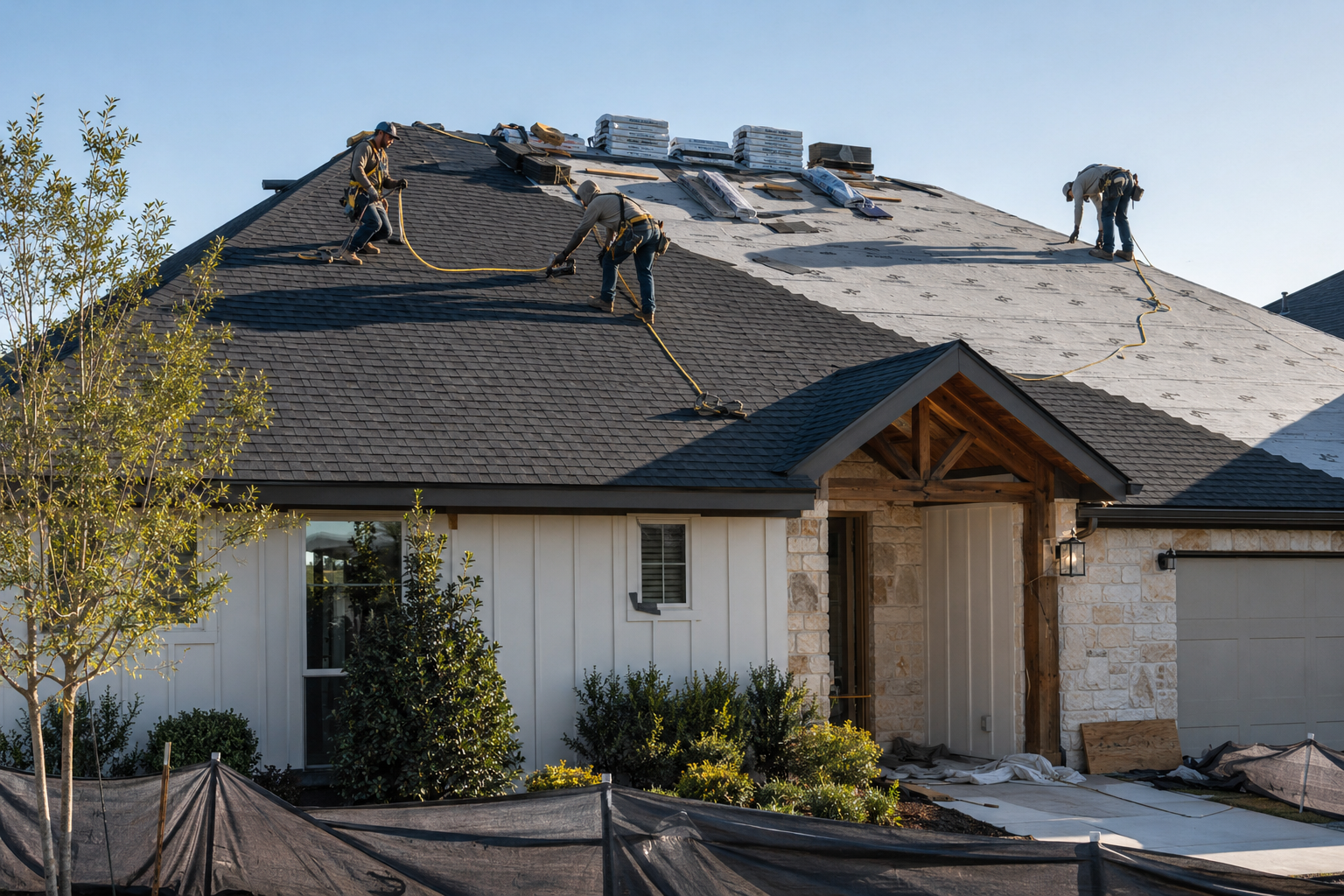
Usually you can stay, but replacement is loud and creates vibration. Children, pets, people working from home, and anyone sensitive to noise may be more comfortable elsewhere during tear-off and installation. Keep everyone away from active work zones and follow the project manager's safety directions.
17. How should I prepare my home and yard?
Move vehicles away from the driveway and garage, secure pets, unlock gates, mark sprinklers and delicate landscaping, remove fragile wall and shelf items, protect belongings in the attic, and cut the lawn shortly before the project so cleanup magnets can find nails more easily. Discuss satellite dishes, solar equipment, outdoor furniture, pools, HVAC equipment, and special access before work begins.
18. What happens if damaged roof decking is found?
Decking cannot be fully evaluated until shingles and underlayment are removed. Soft, rotted, delaminated, broken, or noncompliant sections may need replacement so the new roof has a sound fastening surface. Your proposal should state the included allowance or unit price, how damage will be photographed, and who approves additional work.
19. Should ventilation be changed when the roof is replaced?
The roof replacement is an ideal time to evaluate intake and exhaust ventilation as a balanced system. Adding more exhaust vents without enough intake can fail to solve the problem and may disrupt airflow. Vent type and quantity should be based on attic configuration and applicable requirements rather than appearance alone. Bath, dryer, and kitchen exhaust should terminate as required rather than dumping moisture into the attic.
20. What should cleanup and the final walk-through include?
Expect removal of tear-off debris, repeated magnetic nail sweeps, cleanup of gutters and hard surfaces, and a final review of the work and property. Ask for completion photos, warranty documents, product information, paid invoices, permit or inspection records when applicable, and any maintenance guidance. No magnetic sweep can promise that every hidden nail will be found, so continue to watch driveways, flowerbeds, and play areas afterward.
What Homeowners Are Asking Online Right Now
Recent homeowner discussions show growing concern about roof age and insurance renewals, whether damage truly requires replacement, whether filing a claim is worthwhile, what adequate ventilation looks like, why contractors request insurance paperwork, and how to avoid deductible schemes. Those are reasonable questions. The safest answer is rarely a one-size-fits-all social-media comment; it is a documented inspection, a written scope, and policy-specific guidance from the insurer.
The JF Roofing Approach
Our philosophy is simple: educate you, facilitate your needs, and add value to your life. We explain what we see, provide photographs and options, coordinate the roofing work you authorize, and look beyond shingles when related needs such as gutters, ventilation, flashing, or damaged exterior components deserve attention. We want you to understand the decision before you make it.
Have a roof question or want a documented inspection?
Call JF Roofing at (817) 886-8080.
**Important note:** This article provides general educational information, not legal, insurance, engineering, or warranty advice. Coverage and claim decisions belong to your insurer and depend on your policy and facts. Building requirements vary by jurisdiction. Product and warranty terms vary by manufacturer and may change.
### Sources used for homeowner education
- Texas Department of Insurance: Insurance and Your Roof
- Texas Department of Insurance: Can a Contractor Waive My Deductible?
- Texas Department of Insurance: Roofing and Insurance: Know the Law
- Texas Department of Insurance: Commissioner's Bulletin B-0006-21
- National Roofing Contractors Association: Consumer Resources